
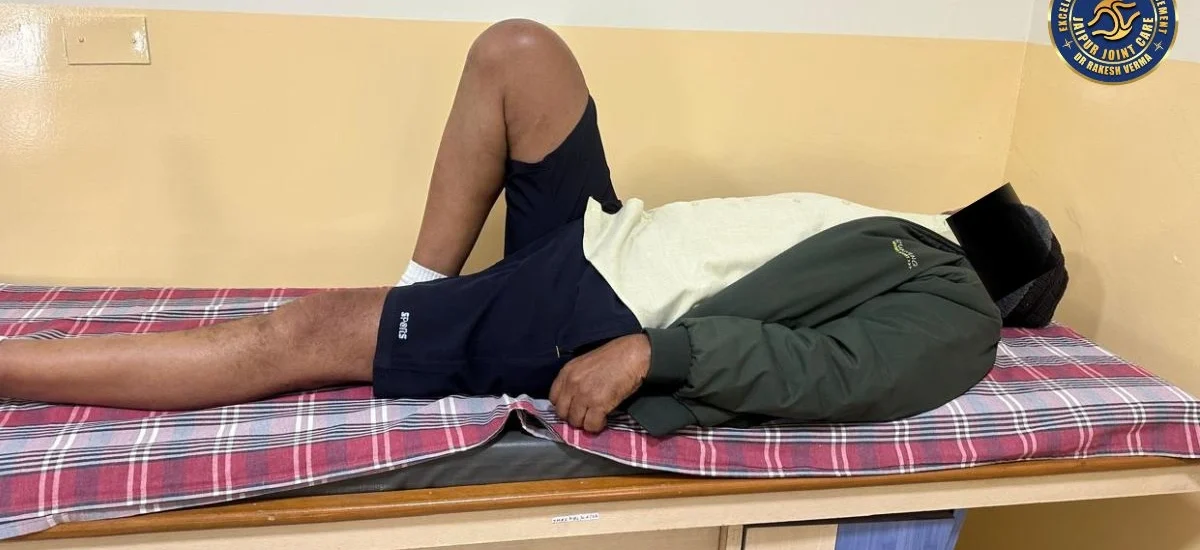
When an elderly patient walks into the clinic holding their knee and saying, “Doctor, I just want to walk without pain,” the concern isn’t surgery alone. It’s recovery. Families usually lean forward and ask quietly, How long will it take? Will they manage?
And the knee replacement recovery time for elderly patients is not instant. Rather, it takes time. And in most cases, it is absolutely worth it.
If you’re consulting an experienced best orthopedic surgeon in Jaipur or near your area, you will get to know that recovery depends more on overall health and consistency in physiotherapy than on age itself.
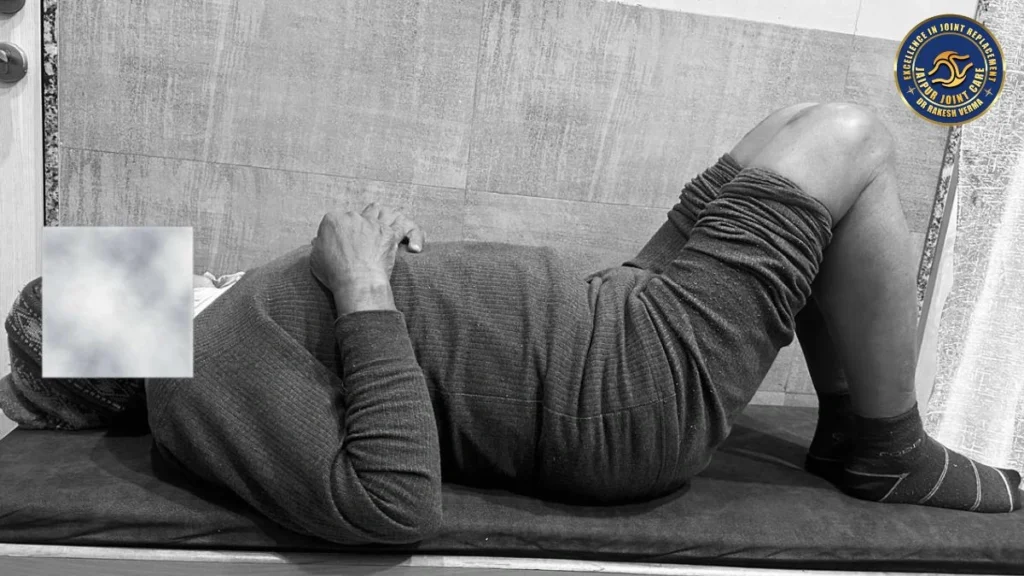
The First Few Days: Small Steps Matter
After surgery, most elderly patients stay in the hospital for three to five days. What often surprises families is how quickly movement begins. Within a day or two, patients are gently helped to stand. A few steps with a walker. Not far. Just enough to wake the muscles up.
The knee will feel tight. Heavy. Slightly swollen. That’s expected. Pain is controlled carefully, and basic exercises begin early to prevent stiffness.
These first days are less about speed and more about confidence.
Here are more details on knee replacement, techniques, and preparations.
Weeks 1 to 6: The Real Work Begins
Once home, recovery becomes a routine. Morning exercises. Short walks. Rest. Repeat.
Some days feel encouraging. Other days feel slow. This fluctuation is normal, especially in seniors.
During this phase, most elderly patients:
- Use a walker or stick
- Gradually increase walking distance
- Practice bending and straightening the knee
- Regain independence in daily activities
Close follow-up with a skilled best knee replacement surgeon in Jaipur helps ensure progress stays on track.
By the end of four to six weeks, many seniors move around the house comfortably. Outdoor walking may still need support, and that’s perfectly fine.
Around 3 Months: Noticeable Change
This is when families usually see the real difference. The constant arthritis pain that existed for years has been significantly reduced. Walking feels steadier. Sleep improves. Confidence returns.
Strength, however, continues to build gradually. For patients over 70 or 75, full recovery may stretch toward six months or even a year. That timeline sounds long, but compared to years of knee pain, it feels manageable.
Choosing the best knee doctor in Jaipur can influence how smooth that journey feels, from surgical precision to rehabilitation guidance
Is Recovery Slower in Elderly Seniors?
Sometimes, yes. Muscles are weaker. Stamina is lower. Other health conditions may exist. But age alone rarely determines success.
What matters more?
- Regular physiotherapy
- Family encouragement
- Balanced nutrition
- Safe home support
We often see patients in their late seventies walking comfortably within months, something they hadn’t done in years.
Common Concerns Families Notice
It helps to expect a few temporary challenges:
- Swelling that comes and goes
- Morning stiffness
- Fatigue in early weeks
- Fear of falling
These are usually short-term. With guidance and reassurance, they settle.
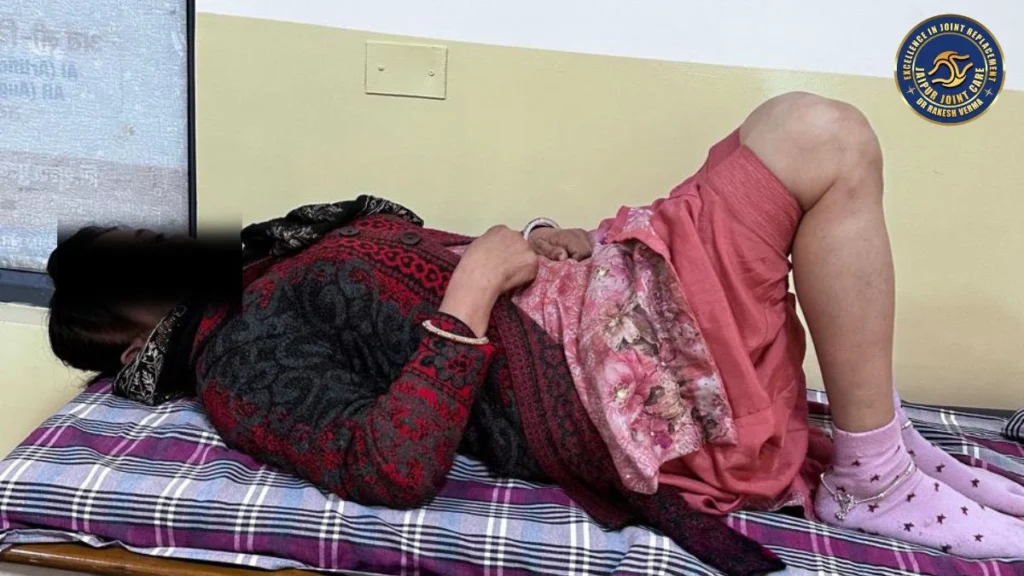
In The End
Knee replacement recovery time for the elderly is about getting fine instantly. It’s being able to get up from a chair without help, walk to the market, or move around the house without hesitation. That shift in independence often matters more than anything else.
Recovery, especially in elderly patients, moves step by step. Some weeks feel faster than others. However, if you do regular exercises follow-up timely, you will see the results.
FAQs
Question 1 – How long does knee replacement recovery take for elderly patients?
Answer – There is no fixed answer about knee replacement recovery time for the elderly; it can take from six to eight weeks, with steady improvement up to a year.
Question 2 – Is knee replacement recovery slower in elderly seniors?
Answer – Yes. Sometimes, knee replacement recovery can be slower for the elderly. However, outcomes are generally very positive.
Question 3 – What is the recovery time for elderly patients over 70 or 75 years old?
Answer – Patients above 70 or 75 typically follow a similar recovery timeline, though progress may be more gradual. Most resume daily routine activities within 6–10 weeks, depending on overall health and rehabilitation commitment.
Question 4 – When can elderly patients walk after knee replacement surgery?
Answer – We encourage elderly patients to stand and take a few steps within 24–48 hours after surgery, under supervision. Early walking helps reduce stiffness, improves circulation, and support faster recovery.
Question 5 – What are the most common problems during recovery in elderly patients?
Answer – Common temporary issues include swelling, stiffness, mild imbalance, fatigue, and occasional sleep disturbance. These usually settle with physiotherapy, medication, and guided rehabilitation.
Question 6 – Is knee replacement surgery safe for elderly patients?
Answer – Yes, knee replacement is generally safe for elderly patients when performed after proper medical evaluation. With modern surgical techniques and careful monitoring, outcomes are highly successful even in advanced age groups.
